
Making a Will in Vietnam: Key Points to Know
 By Le Ly Quang Thinh, Attorney-at-Law
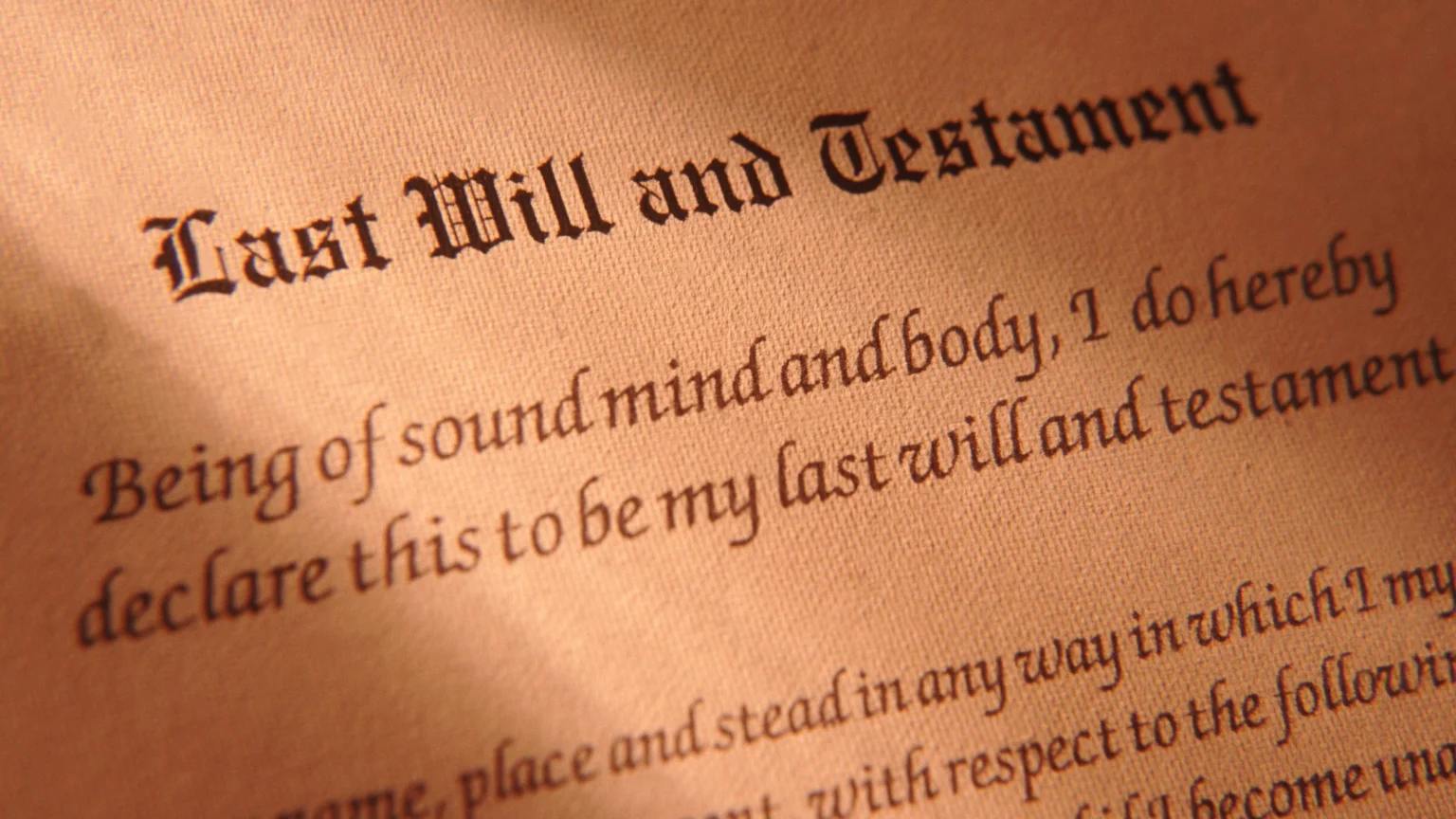
Making a will is not new in Vietnam, but a will is only enforceable if it meets the requirements of Vietnamese law. This article answers the questions we hear most often, both legal and practical, so that your will is recognised and protected.
- Who can make a will?
- Who is entitled to inherit?
- What must a will contain?
- When is a will valid?
- Can foreigners living in Vietnam make a will or inherit?
1. Who can make a will?
A person may make a will if both conditions below are met:
- The person is an adult (18 years or older), or is between 15 and under 18 years old and has the consent of a parent or guardian, and
- The person is of sound mind when making the will and is not deceived, threatened or coerced.
The law does not require a medical check before making a will. In practice, however, a medical assessment made around the time of signing is useful evidence that the testator was lucid and fit to make the will, especially for elderly testators.
2. Who is entitled to inherit?
The testator is free to choose who receives the estate. However, the following persons are still entitled to a share even if the will leaves them nothing, or leaves them less than their statutory share:
- Minor children, parents and the spouse of the deceased, and
- Adult children who are unable to work.
Each of these persons receives at least two-thirds of the share they would have received had the estate been divided by law, unless they refuse the inheritance or are disqualified from inheriting.
3. What must a will contain?
A will must state:
- The date the will is made,
- The full name and residence of the testator,
- The full name of the beneficiaries, or the organisation that will inherit, and
- The assets left and where they are located.
The will may include other provisions that suit the testator's wishes, provided they comply with the law. Points to note:
- The content must not violate the law or social ethics.
- The will must not use abbreviations or symbols. If it has several pages, each page must be numbered and signed or fingerprinted by the testator. Any erasure or correction must be signed next to it by the testator or the witnesses.
- The testator can only dispose of assets they own. For jointly owned assets, such as property owned with a spouse, the will only takes effect for the testator's share.
4. When is a will valid?
A will is legally valid when all of the following are met:
- Capacity and free will: the testator was of sound mind and was not deceived, threatened or coerced.
- Lawful content: the content does not violate the law or social ethics.
- Proper form: the will is made in writing (handwritten, witnessed, notarised or certified) or, in exceptional cases, orally, in the form required by law.
- Persons aged 15 to under 18: the will must be in writing and have the consent of a parent or guardian.
- Testators who are physically disabled or cannot read or write: the will must be written down by a witness and notarised or certified.
- Handwritten will without witnesses: the testator must write and sign the entire will personally.
- Oral will: only allowed when the testator's life is in danger and a written will cannot be made. It must be declared before at least two witnesses, recorded and signed by them, and certified within five working days. It lapses automatically if the testator is still alive and lucid three months later.
A will does not have to be notarised to be valid. Notarisation is nevertheless strongly recommended, as it greatly reduces the risk of the will being challenged by other family members.
5. Can foreigners living in Vietnam make a will or inherit?
Inheriting: foreigners can be named as beneficiaries under a will made in Vietnam. For real estate, however, foreigners may only own housing in limited cases and generally cannot hold land use rights. A foreign heir who is not eligible to be registered as owner can still receive the value of the property by transferring or gifting it to an eligible person.
Making a will: foreigners living in Vietnam may make a will in Vietnam if the form and content requirements above are met. Points to note:
- A will written in a foreign language must be translated into Vietnamese and the translation certified. In practice, notary offices in Vietnam often refer foreign testators to their embassy or consulate for assistance.
- If the testator also has assets abroad, it is advisable to make a separate will in the country where those assets are located. Inheritance of those assets will be governed by local law, and a will made under Vietnamese law may not satisfy all local requirements.
Key legal basis
Civil Code 2015, Part Four on inheritance (Articles 609 to 662), Law on Notarisation No. 46/2024/QH15, Housing Law No. 27/2023/QH15 and Land Law No. 31/2024/QH15.
An Law advises individuals and families, including foreign nationals, on drafting wills, estate division and inheritance disputes in Vietnam.
Book a call


